More Movie Love: Challenge Accepted

Last week’s post focused on RogerEbert.com’s Movie Love Questionnaire, a survey designed to reveal an intimate glimpse into the quiz taker’s taste in film.

I shared my answers and challenged several Facebook friends to submit theirs.

Sadly, my challenge wasn’t accepted by many. The questionnaire can be time consuming and a little daunting, I’ll admit. (But it’s fun!)

I did receive a questionnaire full of fascinating answers from my friend and former newspaper colleague, Shawna Foxgrover. You’ll find her responses below. It’s a good read.

Movie Love Questionnaire:

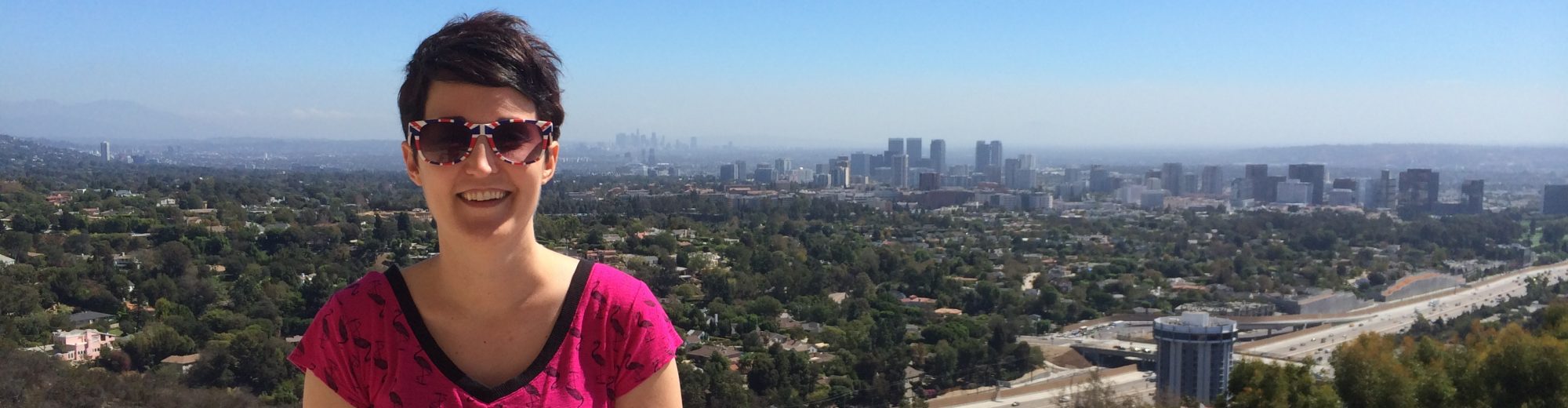
Shawna Foxgrover graduated from Cal State University, Northridge, with a bachelor’s degree in English literature and worked at the Antelope Valley Press for six years before her current position as a stay-at-home/out-and-about mom to two kids and two naughty cats. She likes reading, writing and watching movies. 

Where did you grow up, and what was it like?

I grew up in an apartment in North Hollywood, and went to school in Toluca Lake. My sister and I supposedly walked to school with River Phoenix and his siblings sometimes. I don’t remember 10679942_807597812616944_7572479383960202164_o (2)this, but this is what I was told. One of my sister’s friends lived down the street from Bob Hope. My parents saw Sylvester Stallone in the pet store where we got our guinea pigs. We named them Rocky and Adrian. Movie stars were a big thing, obviously, living near Hollywood. I remember going to Universal Studios and seeing the backlots where they filmed movies. My grandma lived in Burbank and her friend was always talking about auditioning for commercials. My mom worked during the day, and my dad went to CSUN in the evenings, until he graduated and we moved to the Antelope Valley where he got a teaching job.

Was anyone else in your family into movies? If so, what effect did they have on your moviegoing tastes?

My dad liked the Rocky movies. I don’t think my parents went out very often. I remember them watching mini series on TV — Roots, The Thorn Birds. My mom liked movies that were from musicals: Sound of Music, My Fair Lady, etc. We were only allowed to watch movies that our parents screened first. I remember my mom saying, “No, you’re not watching that.” Or she would cover our eyes during particular scenes.

What’s the first movie you remember seeing, and what impression did it make on you?

Popeye (Robin Williams) at a movie theater in North Hollywood, in 1980. It seemed so real that I was confused when we came out of the theater and it was dark outside, because the movie ended with a daytime scene. My mom would sometimes buy us the soundtracks to the movies we liked, so I remember listening to the Popeye soundtrack, and the Annie soundtrack. I remember music being a big part of movies, and I still think some of the best movies are the ones that have the best music. (Frozen!)

What’s the first movie that made you think, “Hey, some people made this. It didn’t just exist. There’s a human personality behind it.”

When I was in second grade, our teacher (Kathryn Beaumont, who voiced Alice in Alice in Wonderland, and also Wendy in Peter Pan) took us for a field trip to the Disney studios and we talked about how they used animation to make the films. So I guess Alice in Wonderland, which we watched that day.

What’s the first movie you ever walked out of?

I don’t remember. I turn lots of movies off though, when we’re watching at home. We have a 10-minute rule. If it stinks, we give it 10 minutes to convince us to keep watching.

What’s the funniest film you’ve ever seen?

There’s Something About Mary makes me laugh every time.

What’s the saddest film you’ve ever seen?

Les Miserables makes me sob. Never Let Me Go. The Fault in Our Stars. Many others. I’m a huge crybaby.

What’s the scariest film you’ve ever seen?

I don’t like scary movies, but my husband Paul used to drag me to scary movies occasionally. After we saw Event Horizon I started bawling in the parking lot because the movie freaked me out.

What’s the most romantic film you’ve ever seen?

True Romance, of course! That’s not really a romance though. The Wedding Singer?

What’s the first television show you ever saw that made you think television could be more than entertainment?

Sesame Street and Mr. Rogers were more than entertainment — they were educational! Battlestar Galactica (the newer series, not the one from the ’70s) was the first show where I thought, “This is too good for television.”

What book do you think about or revisit the most?

Life of Pi

What album or recording artist have you listened to the most, and why?

Probably Morrissey

Is there a movie that you think is great, or powerful, or perfect, but that you never especially want to see again, and why?

I thought Snowpiercer was really intense but it’s too disturbing. Pan’s Labyrinth, for the same reason.

What movie have you seen more times than any other?

Princess Bride because my husband puts it on anytime anyone’s sick. And When Harry Met Sally. The Star Wars trilogy.

What was your first R-rated movie, and did you like it?

I watched Gremlins at a friend’s house when I was in third grade. Actually I don’t know if it is rated R. I just remember my mom said I wasn’t allowed to watch it because it was too scary.

What’s the most visually beautiful film you’ve ever seen?

Gravity. The Fifth Element. Life of Pi. Do I have to pick just one?

Who are your favorite leading men, past and present?

Harrison Ford, Joaquin Phoenix, Peter Dinklage, Christian Bale, Sam Rockwell, Mark Ruffalo, Brad Pitt

Who are your favorite leading ladies, past and present?

Julie Andrews, Susan Sarandon, Patricia Arquette, Bridget Fonda, Winona Ryder, Audrey Tautou, Shailene Woodley

Who’s your favorite modern filmmaker?

Tarantino and George Lucas, of course. Ridley Scott, Tim Burton, Rob Reiner, Wes Anderson, Alfonso Cuaron. I like what Neill Blomkamp is doing so far.

Who’s your least favorite modern filmmaker?

Anyone who makes movies like Saw. I don’t see any redeeming value in those types of movies.

What film do you love that most people seem to hate?

I don’t know. Maybe Interview with the Vampire?

What film do you hate that most people love?

The Lego Movie

Tell me about a moviegoing experience you will never forget — not just because of the movie, but because of the circumstances in which you saw it.

Probably John Carpenter’s Vampires, because it was the only time I ever went to the movies by myself, and also because it was possibly the stupidest movie I’ve ever seen. Or at least the stupidest vampire movie. (And that’s saying a lot.)

What aspect of modern theatrical moviegoing do you like least?

I don’t like it when the special effects are there for the sake of special effects, and there’s not enough story or character development. I want to get up and leave when I don’t care what happens to the characters. I also hate it when there are previews for horror/supernatural movies.

What aspect of moviegoing during your childhood do you miss the most?

I was way less picky about movies when I was a kid. Every time I saw a movie, I was blown away. That happens less often now.

Have you ever damaged a friendship, or thought twice about a relationship, because you disagreed about whether a movie was good or bad?

No but Paul and I get in arguments when I pick a movie apart. I liked The Grand Budapest Hotel but my nitpicking about it drove Paul nuts.

What movies have you dreamed about?

I always dream about movies, especially if I watch them right before bed. We turned off the movie Divergent because we didn’t like it and that night I kept dreaming about it.

What concession stand item can you not live without?

Popcorn!

If you’d like to take a crack at the questionnaire, I’ve included the list of questions to cut and paste below. Respond in the comments section here or on the Facebook link, or email your responses to lavendervroman@gmail.com. If I find your answers interesting and insightful, I might post them on the blog.

Movie Love Questionnaire:

Where did you grow up, and what was it like?

Was anyone else in your family into movies? If so, what effect did they have on your moviegoing tastes?

What’s the first movie you remember seeing, and what impression did it make on you?

What’s the first movie that made you think, “Hey, some people made this. It didn’t just exist. There’s a human personality behind it.”

What’s the first movie you ever walked out of?

What’s the funniest film you’ve ever seen?

What’s the saddest film you’ve ever seen?

What’s the scariest film you’ve ever seen?

What’s the most romantic film you’ve ever seen?

What’s the first television show you ever saw that made you think television could be more than entertainment?

What book do you think about or revisit the most?

What album or recording artist have you listened to the most, and why?

Is there a movie that you think is great, or powerful, or perfect, but that you never especially want to see again, and why?

What movie have you seen more times than any other?

What was your first R-rated movie, and did you like it?

What’s the most visually beautiful film you’ve ever seen?

Who are your favorite leading men, past and present?

Who are your favorite leading ladies, past and present?

Who’s your favorite modern filmmaker?

Who’s your least favorite modern filmmaker?

What film do you love that most people seem to hate?

What film do you hate that most people love?

Tell me about a moviegoing experience you will never forget — not just because of the movie, but because of the circumstances in which you saw it.

What aspect of modern theatrical moviegoing do you like least?

What aspect of moviegoing during your childhood do you miss the most?

Have you ever damaged a friendship, or thought twice about a relationship, because you disagreed about whether a movie was good or bad?

What movies have you dreamed about?

What concession stand item can you not live without?

Photos: RogerEbert.com, Shawna Foxgrover

For the Love of Movies, Take Ebert’s Fun Quiz

Over at RogerEbert.com, a cadre of film critics continue the legacy of the late, great movie guru.

The work of Ebert’s wife, Chaz, and dozens of contributors, the site is packed with fascinating features.

One of my favorites is the Movie Love Questionnaire. It’s a detailed survey completed by each of the site’s regular contributors, revealing a glimpse into the tastes of the critics on a more personal level.

The answers to the questionnaire are always fun to read. I’ve often wondered if they’d be even more fun to respond to.

So here goes. It’s my turn to fill out the Movie Love Questionnaire. See my answers below.

If you’d like to take a crack at the questionnaire, I’ve included the list of questions to cut and paste at the bottom of this post. Respond in the comments section here or on the Facebook link, or email your responses to lavendervroman@gmail.com.

If this little experiment goes well, I might post some of the more interesting and insightful responses on the blog. Go ahead and bare your moviegoing soul. 

Movie Love Questionnaire:

Where did you grow up, and what was it like?

I was raised in the Glendale area of Southern California and, after a brief stint in Fortworth, Texas, moved to Lancaster, California. My childhood was amazing, thanks to my fun, creative, intellectual parents and four siblings. They loved to read and discuss ideas and and encouraged imagination.

Was anyone else in your family into movies? If so, what effect did they have on your moviegoing tastes?

My family didn’t watch a lot of movies when I was young. We didn’t even have a television for a significant portion of my childhood. My parents were fans of classic film. I remember as a freshman in high school, spending the summer watching old movies on TCM with my mother. And my grandmother used to screen classics on video for me and my siblings, especially musicals, like “Singin’ in the Rain,” “My Fair Lady” and the Fred Astaire-Ginger Rogers movies.

What’s the first movie you remember seeing, and what impression did it make on you?

One of my earliest movie memories is seeing the 1982 “Annie” in the theater. I must have been about six. The funny thing is, I’ve never particularly liked that movie.

What’s the first movie that made you think, “Hey, some people made this. It didn’t just exist. There’s a human personality behind it.”

I saw “Star Wars” on television when I was about 14. I was a late bloomer when it came to discovering that universe but I fell really hard for it. I was curious about George Lucas and the making of the trilogy. I took out a subscription to Lucasfilm magazine so I could learn all the behind-the-scenes details. I don’t think the magazine had many subscribers at that point, but for me, it was the beginning of a lifelong interest in movies and how they are made.

What’s the first movie you ever walked out of?

As my mother tells it, my siblings and I walked out of “Sleeping Beauty” after deciding that Maleficent was too scary for us. Since then, I’ve only walked out of one movie — a Cameron Diaz comedy, “The Sweetest Thing.” I found it so distasteful and insultingly dumb that I left the theater about 20 minutes in. When I returned to the newspaper office, my editor made it clear that it wasn’t OK as a professional critic to walk out on a movie. There were many films I would have loved to walk out of over the years, but I never did it again.

What’s the funniest film you’ve ever seen?

“Bringing Up Baby.”

What’s the saddest film you’ve ever seen?

“The Bicycle Thief.” I can’t think of the ending without wanting to cry.

Hayao Miyazaki’s “Spirited Away” is lovely but it’s also surprisingly melancholy. My sister and I went to a screening of the movie around the time my father died and it struck a chord. I adore that film, but I still have trouble watching it.

What’s the scariest film you’ve ever seen?

I’ve always been haunted by “Picnic at Hanging Rock,” a creepy Australian movie I saw when I was a kid.

What’s the most romantic film you’ve ever seen?

“Casablanca” and “Eternal Sunshine of the Spotless Mind.”

What’s the first television show you ever saw that made you think television could be more than entertainment?

“Buffy the Vampire Slayer.” It started off so silly and ended up so deep. And “Lost.” That series was so original, intricate and character driven.

What book do you think about or revisit the most?

I periodically reread Ray Bradbury’s “Dandelion Wine” and I always get something different from it, depending on where I’m at in life. I also keep coming back to Emily Bronte’s “Wuthering Heights.”

What album or recording artist have you listened to the most, and why?

It’s always changing. Right now, I’m hooked on Florence and the Machine because she’s so theatrical and gothic and twisted.

Is there a movie that you think is great, or powerful, or perfect, but that you never especially want to see again, and why?

It’s probably a war movie, like “The Hurt Locker.” I can’t ride that emotional roller coaster twice.

What movie have you seen more times than any other?

It’s gotta be “Star Wars” or the “Lord of the Rings” trilogy.

What was your first R-rated movie, and did you like it?

I don’t remember how old I was, but my sister and our childhood best friend decided to sneak into our first R movie. My mom dropped us off, we bought tickets for some Pauly Shore flick and we crept into the only R-rated film showing, which was this terrible thriller called “Blink,” starring Aidan Quinn and Madeleine Stowe. I wish my first R-rated movie had been something cooler.

What’s the most visually beautiful film you’ve ever seen?

That’s an impossible question. There are so many visually beautiful films and the word “beautiful” is so subjective. Maybe Disney’s “Beauty and the Beast.” Nothing has ever taken my breathe away quite like the ballroom scene.

Who are your favorite leading men, past and present?

From the past, Humphrey Bogart, Gary Cooper, Gregory Peck, Fred Astaire and Jimmy Stewart. From the present, Michael Fassbender, Tom Hardy and Joseph Gordon-Levitt.

Who are your favorite leading ladies, past and present?

From the past, Katharine Hepburn, Audrey Hepburn and Grace Kelly. From the present, Amy Adams, Emily Blunt, Carey Mulligan, Emma Stone, Marion Cotillard and Noomi Rapace. And Meryl Streep, of course.

Who’s your favorite modern filmmaker?

Christopher Nolan is such an exciting director. I also love Sophia Coppola.

Who’s your least favorite modern filmmaker?

Michael Bay.

What film do you love that most people seem to hate?

A lot of people hate “Lost in Translation,” but it’s one of my favorites.

What film do you hate that most people love?

“Titanic.” And I didn’t hate “Frozen,” by any means, but I think it’s highly overrated.

Tell me about a moviegoing experience you will never forget — not just because of the movie, but because of the circumstances in which you saw it.

All the midnight screenings I’ve been to for the latest installments of my favorite franchises, like Star Wars and Harry Potter, have been amazing. There’s so much anticipation and camaraderie. Every movie I go to with my husband, Nick, is a great time. On our first date, we saw a nature film at the California Science Center. It’s not too much of a stretch to say our marriage has been built on a mutual love of movies.

What aspect of modern theatrical moviegoing do you like least?

The rude behavior of fellow moviegoers.

What aspect of moviegoing during your childhood do you miss the most?

Getting dropped off at the theater on a warm summer day and just staying there for hours.

Have you ever damaged a friendship, or thought twice about a relationship, because you disagreed about whether a movie was good or bad?

It wasn’t until a few years after we were married that I realized my husband doesn’t like Alfred Hitchcock movies. To me, Hitchcock is the absolute master. I told Nick he was lucky because if I had known that, it might have been a deal breaker.

What movies have you dreamed about?

I would expect this to happen more often than it does. I’ve dreamed I’m writing a really fabulous movie script and when I wake up, it makes no sense at all.

What concession stand item can you not live without?

When I worked as a critic for the newspaper, I wouldn’t let myself indulge too often because I knew it would get out of control. I’m a huge fan of popcorn, though, and Sour Patch Kids, and Coke flavored Icees.

********************************************************************************

Movie Love Questionnaire:

Where did you grow up, and what was it like?

Was anyone else in your family into movies? If so, what effect did they have on your moviegoing tastes?

What’s the first movie you remember seeing, and what impression did it make on you?

What’s the first movie that made you think, “Hey, some people made this. It didn’t just exist. There’s a human personality behind it.”

What’s the first movie you ever walked out of?

What’s the funniest film you’ve ever seen?

What’s the saddest film you’ve ever seen?

What’s the scariest film you’ve ever seen?

What’s the most romantic film you’ve ever seen?

What’s the first television show you ever saw that made you think television could be more than entertainment?

What book do you think about or revisit the most?

What album or recording artist have you listened to the most, and why?

Is there a movie that you think is great, or powerful, or perfect, but that you never especially want to see again, and why?

What movie have you seen more times than any other?

What was your first R-rated movie, and did you like it?

What’s the most visually beautiful film you’ve ever seen?

Who are your favorite leading men, past and present?

Who are your favorite leading ladies, past and present?

Who’s your favorite modern filmmaker?

Who’s your least favorite modern filmmaker?

What film do you love that most people seem to hate?

What film do you hate that most people love?

Tell me about a moviegoing experience you will never forget — not just because of the movie, but because of the circumstances in which you saw it.

What aspect of modern theatrical moviegoing do you like least?

What aspect of moviegoing during your childhood do you miss the most?

Have you ever damaged a friendship, or thought twice about a relationship, because you disagreed about whether a movie was good or bad?

What movies have you dreamed about?

What concession stand item can you not live without?

Photo: RogerEbert.com

Travolta’s Face Grab, A ‘Glory’-ious Speech and Other Oscar Highs and Lows

In many ways, Sunday’s Academy Awards ceremony was so forgettable, it hardly feels worth rehashing Hollywood’s big night.

It’s not exactly a shock that ratings for the 87th installment of the show dropped to a six-year low. Can you blame viewers for changing the channel during what was often a dull and disappointing evening?

Despite a surprisingly lackluster performance by host extraordinaire Neil Patrick Harris, an abundance of awkward puns and some creepy presenter shenanigans, there were a few moments of genuine delight, including heartfelt speeches and a refreshingly wacky rendition of the song from “The Lego Movie.”

Below, a recap of the low points and highlights of this year’s Oscars.

1424671742188

The Low Points

The Host: I’m as big a fan of the ubiquitous Neil Patrick Harris as the next person. The classy, hilarious, self-deprecating former child actor is always a welcome sight, whether in “How I Met Your Mother,” the “Harold and Kumar” movies, “Dr. Horrible’s Sing-Along Blog,” a Broadway musical or one of his countless stints as awards show emcee.

So Harris’ almost total failure in his first — and probably last — stint as Oscar host came as a crushing disappointment.

It wasn’t really his fault, though. The show was disjointed, badly written, poorly paced and woefully out of touch.

For whatever reason, the ceremony’s writers declined to capitalize on Harris’ strengths, resorting to a series of leaden puns and occasionally insensitive ad-libbed banter. Making fun of a winner’s dress after she just mentioned her son’s suicide probably isn’t the best choice, for instance.

The night’s longest running gag involved a dramatic magic trick that should have been right up Harris’ alley. But enlisting previous Oscar winner Octavia Harris to keep an eye on a locked box all night verged on insulting and, after a whole lot of build-up, the illusion’s finale was a huge letdown, merely a recap of the evening’s hashtag-worthy events.

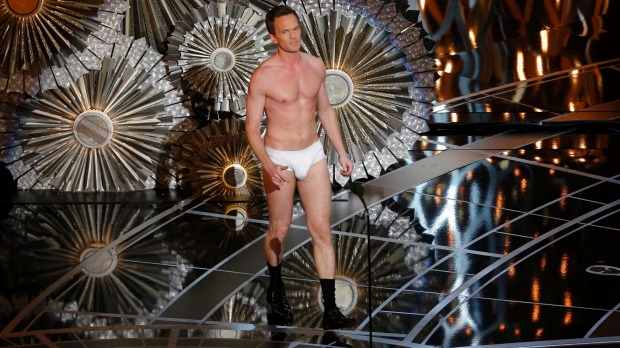
Yes, there were occasionally funny bits. I liked the part where Harris walked through the audience in nothing but tighty whities, a la Michael Keaton’s “Birdman” character, encountering a drumming Miles Teller along the way, but I’m guessing a large portion of viewers didn’t get the joke since they hadn’t seen the films.

Overall, the evening felt strained and “uptight,” as several guests at an Oscar party I attended remarked. The Academy still has a long way to go to make Hollywood’s most celebrated awards show more relevant and entertaining to its biggest audience — everyone who doesn’t happen to be an industry insider.

As J.K. Simmons’ terrifying music instructor likes to shout in best picture nominee “Whiplash”: “NOT MY TEMPO!”

John Travolta and Other Awkward/Insensitive Moments: I already mentioned Harris’ callous mockery of the dress worn by a producer of a documentary about crisis hotlines, who also happened to be a bereaved mother.

Sadly, Sunday’s Oscars were full of other painfully awkward and insensitive gaffs.

There was Sean Penn’s joke about green cards before presenting one of the night’s biggest awards to “Birdman” director Gabriel Gonzalez Inarritu. There was Terrence Howard’s strange and overly emotional introduction of “The Imitation Game.” There was Harris’ mispronunciation of “12 Years a Slave” star Chiwetel Ejiofor’s name.

However, the most jaw-dropping embarrassment occurred in the ill-advised union of “Frozen” star Idina Menzel and John Travolta, who shared the stage to present the award for best original song. As you may recall, Travolta became a Twitter legend after bungling Menzel’s name at last year’s Oscar ceremony, spawning legions of “Adele Dazeem” jokes.

The show’s producers no doubt thought it would be touching, or perhaps funny, to give Travolta the opportunity to extend an olive branch to Menzel, but their meeting quickly devolved into ickiness as Travolta grabbed his co-presenter’s chin in his hand while she vainly struggled to be free of his grasp.

That’s the stuff of ratings and social media fame, but it also left a yucky taste in our mouths.

batman-oscars

The Highlights

The Music: The ceremony opened with a lively, old-fashioned, Sondheim-esque musical number by seasoned showman Harris, the talented Anna Kendrick — dressed as Cinderella, a la “Into the Woods,” and an impish Jack Black.

Penned by “Frozen” songwriters Robert Lopez and Kristin Anderson-Lopez, the piece celebrated the magic of “moving pictures,” poking fun at the Academy Awards and paying homage to classic and popular films.

The lyrics were playful and clever — “I love happy endings. Except for in ‘Gone Girl’ when that lady slit your throat,” Kendrick crooned to Harris — and even got a little edgy when Black crashed the party with a roll call of the industry’s flaws and a jab at modern moviegoers’ obsession with “screens in our jeans.” It was a nice twist on the traditional song-and-dance prologue we’ve come to expect from the show.

Building on that momentum, Tegan and Sara and comedy trio The Lonely Island hit the stage to perform best song nominee “Everything is Awesome” in a performance so surreal and fun, it immediately provided the event a much needed jolt of energy.

“The Lego Movie” may have been snubbed in the best animated feature film category, but it stole the night with a Lego choir, Lego Oscar statuettes, an assortment of costumed dancers, a cape-wearing Andy Samberg, Will Arnett as Batman and cameos by Questlove and Devo’s Mark Mothersbaugh.

Unfortunately, the moment didn’t last. The rest of the night’s musical performances were a snooze with the exception of John Legend and Common’s rousing rendition of “Glory,” from the movie “Selma.” The winning song brought the Dolby Theatre to its feet and tears to the eyes of many, including Chris Pine, whose effusive reaction became Twitter fodder.

As for Lady Gaga’s impressive but random tribute to “The Sound of Music,” it was just another head-scratching moment in a ceremony that too often felt confused and cobbled together. Better to have used the time to give host Harris a chance to show his stuff.

The Speeches: In a telecast that lacked humor and energy, with predictable results in all but the minor categories, the winners’ speeches provided brief glimmers of passion, inspiration and controversy.

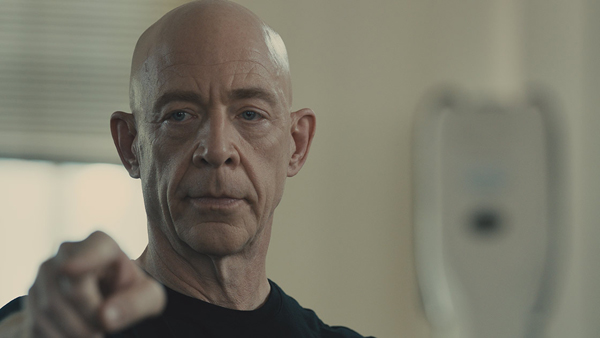
Accepting the best supporting actor award for “Whiplash,” J.K. Simmons sweetly commanded the viewing audience to call their parents. Best actress and actor winners Julianne Moore and Eddie Redmayne dedicated their statuettes to sufferers of Alzheimer’s and ALS, respectively.

Best director winner Inarritu petitioned for “dignity” and “respect” for immigrants. The adorably enthusiastic Graham Norton, who nabbed a trophy for his screenplay for “The Imitation Game,” recalled a youthful suicide attempt and admonished misfit kids to “stay weird.”

Best song winners Common and John Legend showed us how acceptance speeches should be done with a pair of graceful statements about civil rights.

“The spirit of this bridge transcends race, gender, religion, sexual orientation, and social status,” Common said, referring to Alabama’s Edmund Pettus Bridge, immortalized by Martin Luther King Jr.

“The spirit of this bridge connects the kid from the south side of Chicago, dreaming of a better life, to those in France standing up for their freedom of expression to the people in Hong Kong protesting for democracy.”

“Selma is now because the struggle for justice is right now,” Legend added.

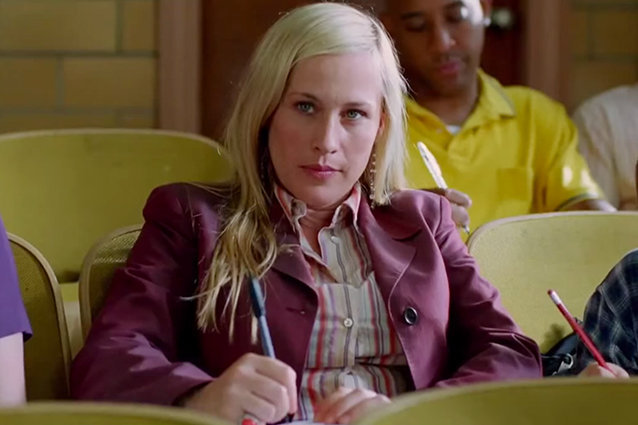
One of the night’s most talked-about speeches came courtesy of best supporting actress Patricia Arquette, who honored her “Boyhood” character, a struggling single mom, with a demand for equal pay for women. Her statement was met with both enthusiasm — Meryl Streep leaped to her feet to show her approval — and outrage.

Whether you agreed with Streep or not, you had to admit it was one of the night’s most memorable occasions.

 Photos: news.com.au, article.wn.com, robot6.comicbookresources.com.


Best Pic Nominees Are So Fabulous, Choosing a Winner Hurts a Little

The task of sitting through each of the movies nominated for the best picture Oscar can sometimes feel like just that — a task, a chore, a tedious homework assignment.

That wasn’t the way I felt this year. For once, I enjoyed and admired all eight selections vying for Oscar’s top prize. They truly are the best Hollywood had to offer in 2014.

(If I have one complaint, it’s that the Academy failed to use one of its extra best picture slots to nominate the year’s most entertaining movie, “Guardians of the Galaxy.” I know, it’s a — gasp! — comic book movie, but it’s every bit as deserving as the more “serious” films on the list.)

Of course, the universal excellence of this year’s best picture bunch makes deciding which film deserves the coveted gold statuette all the more difficult. It’s made the race more unpredictable as well.

Despite the added challenge, I’m willing to take a stab at which picture will emerge victorious on Sunday night (the Academy Awards air at 5:30 p.m. on ABC). And while we’re at it, let’s discuss the best director race.

For predictions in the acting categories, click here.

10

Best Picture

There isn’t a weak or overrated film among the nine nominees for best picture, but if I had to pick my least favorite, it would be “The Imitation Game.”

The story of British mathematician Alan Turing’s heroic code-breaking exploits during World War II, and subsequent persecution for his sexuality, showcases a powerful performance by Benedict Cumberbatch. However, some aspects of the drama feel sensationalized, more so when you realize how many elements of this biopic are actually fictional.

When it comes to dramas about eccentric British geniuses, “The Theory of Everything” tells the life story of physicist Stephen Hawking in a way that rings truer — it plays out, unexpectedly, as a messy love quadrangle — and with far more style. The fact that “Theory” is not a by-the-numbers romance, told from the point of view of Hawking’s long-suffering first wife, is its biggest strength. It also contains a couple of powerhouse performances by Eddie Redmayne and Felicity Jones, whose chemistry evolves from tender to heartbreaking.

“Selma,” another biopic vying for best picture, has been roundly snubbed this awards season. The Academy failed to nominate director Ava DuVernay — she would have been the first African-American woman to receive the honor — and lead actor David Oyelowo, who is a marvel as Martin Luther King Jr., radiating the civil rights legend’s charisma and expertly mimicking his rousing oratory style. It’s a shame because “Selma” is a compelling and necessary reminder of the power of protest in a divisive and confusing year for American race relations. I love the way DuVernay juxtaposes seemingly mediocre moments with great ones to elegantly humanize King.

The young upstart in the best picture category is “Whiplash,” debut director Damien Chazelle’s electrifying cat-and-mouse game between a sadistic music instructor (a terrifying J.K. Simmons) and the ambitious drummer (Miles Teller) he pushes to the edge. The audience is pushed to the edge, too, with an intensity few films achieve. There’s a precision, an originality and a dark side to this movie that is a whole lot of twisted fun. Like Teller’s drummer, however, Chazelle’s gotta pay his dues before he can win Oscar fame.

The most widely seen of the nominees is “American Sniper,” director Clint Eastwood’s account of the life of sharp-shooting Navy Seal Chris Kyle. Despite its popularity, “Sniper” is far too controversial to win the Oscar. Conservatives embrace Kyle as a hero. Liberals denounce the film for failing to condemn America’s messy Middle Eastern wars. This disparity is evidence that both groups have oversimplified what is actually a work of surprising complexity, a film that confronts the domestic consequences of war, something we tend to ignore.

As much as I admire the aforementioned films, there were three movies in 2014 that captured my heart and took my breath away with their technical innovation and artistry.

Director Wes Anderson’s “The Grand Budapest Hotel” is undoubtedly his masterpiece. The filmmaker has reached the pinnacle of his talent for delightfully rococo pop-up book production design. The movie’s pulse is found in a hilarious, oddly touching performance by Ray Fiennes as a poetic, scheming gentleman concierge, presiding over a faded hotel in a fictional, war-ravaged Eastern European country. With all the visual flair of “The Royal Tenenbaums” and the bittersweetness of “A Life Aquatic With Steve Zissou,” the movie is a genuine charmer.

Sadly, “Grand Budapest” doesn’t have much of a shot against the two front-runners in the best picture race, even after winning the Golden Globe for comedy.

Richard Linklater’s “Boyhood” took the Golden Globe for drama, as well as the top prize from the British Academy of Film and Television and dozens of critics’ groups. The film is neck-and-neck with “Birdman,” which captured the best picture prize from the producers and screen actors guilds. I find myself torn between these two remarkable films and I think Academy voters will be too.

Both films are exceptionally innovative. Director Gabriel Gonzalez Inarritu created the illusion that “Birdman” was shot in one single, exhilarating take, inspiring raw and captivating performances from a stellar ensemble cast. Michael Keaton’s turn as an insecure, aging actor trying desperately to build a last-minute legacy for himself is astoundingly funny and full of ugly, bleeding emotion.

Linklater filmed “Boyhood” a little at a time, over a period of 12 years, which lends the story of a boy’s ordinary but amazing childhood a rare and lovely verisimilitude. Armed with naturalistic acting by young star Ellar Coltrane — who becomes a young man before the audience’s very eyes — and a fine ensemble cast, subtle but transporting pop culture references and a killer soundtrack, the movie inspires intensely personal reflections on memory, wonder, mortality, family and the passing of time.

It’s a tough call, but I’m betting Academy voters will be seduced by the hopeful optimism and sweetness of “Boyhood.”

Don’t rule Inarritu out, though. (See my best director prediction, below.)

What Will Win: “Boyhood.”

What Should Win: “Boyhood.”

d17is8otc6hvi3jsozng

Best Director

“Who is Morten Tyldum?” you might ask.

He’s the Norwegian director of “Foxcatcher,” whose thriller “Headhunters” was previously nominated by the Academy for best foreign language film. And he’s got a snowball’s chance in hell of winning this year’s best director Oscar.

Bennett Miller is a more established Hollywood presence, earning a director nod for “Capote” in 2006. Sadly for him, the race comes down to three veteran filmmakers finally getting their due from the Academy: Anderson, Linklater and Inarritu.

Inarritu recently took home the Directors Guild Award, a big predictor of who will win on Oscar night, while Linklater scooped up the Golden Globe and the BAFTA.

The contest is so close between these two, I’m betting the Academy will make the rare but not unprecedented decision to split the best picture and director prizes. Inarritu will win the gold for the edgy and awe-inspiring technical achievements showcased in “Birdman,” while Linklater’s “Boyhood” takes the best picture trophy.

I’m usually not a fan of such splits — logically, the year’s best director is the director who made the best picture — but I’m so torn between “Birdman” and “Boyhood,” I’d be happy to see them both triumph.

Who Will Win: Alejandro Gonzalez Inarritu

Who Should Win: Alejandro Gonzalez Inarritu

Photos: ca.complex.com, http://www.selmamovie.com.


Is Oscar On Tempo With Acting Nominations? Who Will Win. Who Should Win.

Eccentric geniuses, men of violence and artist/performers with raging egos.

Mothers who love fiercely and women who struggle to tame or embrace their wild sides.

The 2015 Oscar nominations for acting highlight roles rooted firmly in the head and the heart.

With the 87th Academy Awards just a little less than a week away (the ceremony airs Sunday on ABC), here are some educated guesses as to who will take home the gold. More importantly, who really deserves to?

Look for another post about this year’s amazing crop of best picture nominees this week.

julianne-moore-kristen-stewart-watch-julianne-moore-and-kristen-stewart-shine-in-new-still-alice-trailer

Best Actress

There’s no suspense this year when it comes to the best actress category.

Julianne Moore is the surest of sure things for her turn as a linguistics professor suffering the slow mental decline of early-onset Alzheimer’s in “Still Alice.”

Moore has already taken home the Golden Globe for drama and the Screen Actors Guild and British Academy of Film and Television awards, along with a slew of honors from critic’s groups. This also happens to be her fifth nomination, so the Academy owes her a win.

That leaves two previous winners in the dust, even such formidable competition as Marion Cotillard, nominated for French drama “Two Days, One Night,” and Reese Witherspoon, recognized for memoir adaptation “Wild.”

(In the interest of full disclosure, as of this post, I haven’t seen “Still Alice” or “Two Days, One Night.” Neither film has been readily available for viewing in my area.)

Witherspoon is clearly gunning for a statuette to keep her first Oscar company. Her de-glammed portrait of soul-searching Pacific Crest Trail hiker Cheryl Strayed is raw with rage and despair.

First-time nominees Felicity Jones, who plays the long-suffering spouse of physicist Stephen Hawking in “The Theory of Everything,” and Rosamund Pike, as a deceptively perfect wife in “Gone Girl,” will just have to wait another day for a chance at winning the little gold guy.

I’ve never been a huge fan of Pike, but she surprised me with her weird, darkly hilarious transformation from prim, privileged housewife to off-her-rocker revenge seeker.

My vote, however, goes to Jones, who shares such lovely and painful moments of chemistry with co-star Eddie Redmayne in “The Theory of Everything.” Redmayne has been enjoying the lion’s share of the limelight, but his performance wouldn’t exist without Jones’ heartbreaking blend of strength and tenderness.

Who Will Win: Julianne Moore

Who Should Win: Felicity Jones

eddieredmayne

Best Actor

Fortunately, the work of the five men nominated for the best actor Oscar is in no way diminished by the fact that Academy voters snubbed three of the most electrifying performances of 2015.

That would be Ralph Fiennes as debonair concierge Gustave H. in “The Grand Budapest Hotel,” Jake Gyllenhaal as a hypnotically creepy news stringer in “Nightcrawler” and David Oyelowo, capturing Martin Luther King Jr.’s greatness in “Selma.”

Now that I’ve got that off my chest, on to the actors who were actually nominated.

The Academy has long favored roles that take a physical as well as emotional toll, which is why Eddie Redmayne is likely to emerge victorious in the best actor race.

To play Hawking in “The Theory of Everything,” Redmayne re-creates the celebrated physicist’s torturous decline, contorting his body and changing his speech patterns, all while capturing the wheel chair-bound scientist’s charm and sense of humor. For this remarkable feat, the actor has already captured the Golden Globe for drama and the SAG and BAFTA awards.

On the off chance Redmayne doesn’t triumph, the gold will go to “Birdman” star Michael Keaton, awarded the Golden Globe for comedy in January and enjoying the sort of Hollywood career comeback Oscar voters can’t resist.

In the most revealing and risky role he’s ever played, Keaton bares body and soul — not to mention a balding skull and wrinkled mug — as an aging, insecure actor searching for redemption in a doomed Broadway play.

Rounding out the competition are Benedict Cumberbatch, who somehow manages to make socially awkward genius attractive in “The Imitation Game,” and Steve Carell, sporting a fake nose in “Foxcatcher” to rival the faux schnozz that won Nicole Kidman an Oscar for “The Hours.”

Ironically, it’s the most talked about performance in the category that may have the least chance of victory. Bradley Cooper’s portrayal of Navy Seal Chris Kyle in “American Sniper” is so mired in controversy, it would be a shock if the Academy deigned to touch it with a 10 foot pole.

That’s a shame. Though I was wowed by Redmayne’s bold physicality, Keaton’s lack of vanity and Cumberbatch’s smarts (I have yet to see Carell in “Foxcatcher), I was most impressed by the maturity of Cooper’s work in “American Sniper.”

The actor has been on an upward trajectory since 2012’s “Silver Linings Playbook,” which landed him a first Oscar nomination, followed by another for “American Hustle.” In “Sniper,” he takes a man whose image has been appropriated by a dizzying array of political persuasions and makes him, simply, human. In his hands, Kyle is admirable and tragic, a man of conviction whose beliefs don’t spare him from paying the devastating price of war.

Who Will Win: Eddie Redmayne

Who Should Win: Bradley Cooper

3789281

Best Supporting Actress

The supporting categories only further reinforce the fact that there just isn’t a lot of mystery when it comes to the acting nominees this year.

The predetermined winner in the supporting actress race is Patricia Arquette for her emotional, endearingly naturalistic turn as a flawed but loving single mom in the drama “Boyhood.”

Arquette waltzed away with the Golden Globe, SAG and BAFTA awards and just about every other critic’s honor, which virtually guarantees she’ll go home with the gold on Sunday.

Two-time nominee Laura Dern played a similar role in “Wild” — a free-spirited single mother who receives a crushing diagnosis just as she’s beginning to discover herself. I love her graceful portrayal — glimpsed in brief snippets in flashback — of a vivacious, nurturing woman who bravely confronts whatever life throws at her.

I also love Emma Stone in the part of Michael Keaton’s defensive recovering addict daughter in “Birdman.” Director Alejandro Gonzalez Inarritu shoots her as if she is the most wide-eyed of damaged dolls, capturing her searing performance in extreme close-up.

Also wonderful is previous nominee Keira Knightley’s prim, quintessentially British, heartfelt turn as a crackerjack code breaker and close confidante to mathematician Alan Turing in “The Imitation Game.”

In a year without “Boyhood,” the most towering presence in this category could have been Meryl Streep, racking up her 19th Oscar nomination as the witch in “Into the Woods.” But even her haunting rendition of the song “Stay With Me” — Is there anything Meryl can’t do? — won’t secure her a fourth win.

There’s something so powerful about the way Arquette allows herself to age on camera in “Boyhood” over a period of 12 years and how unaffected she is as Ellar Coltrane’s no-nonsense, painfully honest mama. The performance is a brave accomplishment for an actress in a Hollywood that mercilessly judges its female stars.

Who Will Win: Patricia Arquette

Who Should Win: Patricia Arquette

WhiplashSundanceInstitute2013ShortsProgram-600

Best Supporting Actor

Another category, another case in which there’s no contest.

Seasoned character actor J.K. Simmons, known for his jollier appearances in the “Spider-Man” films and “Thank You for Smoking,” took a startling trip to the dark side in “Whiplash” as a sadistic music instructor who drives aspiring drummer Miles Teller to the brink of a psychological meltdown.

Simmons has always been an excellent, woefully underrated artist, but it’s impossible to ignore the electrifying mind games he plays with his co-star and the movie’s audience, which is why he earlier took home the Golden Globe, SAG and BAFTA awards.

I have to agree with the voting members of these organizations. Watching “Whiplash,” I was terrified, I was mesmerized, I was totally stressed out by Simmons’ off-tempo tyrannical tantrums. And did I mention this is also a surprisingly funny performance? Nobody deserves the gold more.

That leaves little by way of consolation to Simmons’ competitors, including two actors whose performances I didn’t catch. They are Robert Duvall, earning a seventh nomination with his turn as a stubborn, old coot forced to rely on his estranged son’s help in “The Judge,” and two-time nominee Mark Ruffalo as an Olympic wrestler in “Foxcatcher.”

Simmons has some stiff competition — if you’ve seen “Birdman,” you’ll get the pun — in the form of Edward Norton, who is volatile, amusing and infuriating as a method actor who inflicts his pretentious philosophies on his theater colleagues. After years of phoning it in, Norton seems to have somehow time-traveled back to the dynamic, unpredictable young thing he was in such films as “American History X” and “Fight Club.”

If anyone else could wrest the trophy from Simmons, it’s Ethan Hawke, who has earned more writing nominations than acting nods when it comes to Oscar. After settling into less-than-challenging roles as a horror movie star, Hawke shakes things up with a beautiful, easygoing, poignant turn as a flawed father determined to redeem himself in “Boyhood.” Like Norton, the actor seems to have rediscovered himself.

Who Will Win: J.K. Simmons

Who Should Win: J.K. Simmons

Photos: http://www.sbs.com.au, moviepilot.com, entertainment.ie, http://www.hollywood.com, bestsundancefilms.com

In a ‘Downton’ Mood? Watch These Movies

Every January, American television viewers are gripped anew by an irresistible British obsession — the drama of “Downton Abbey.”

Dripping with refinement and seething with repression, the series’ fifth season is in full swing, with its sixth episode set to air Sunday on PBS, tantalizing us with the answers to such questions as:

Will Lady Edith ever be happy?

What exactly is the history between the Dowager and royal Russian refugee Prince Kuragin?

What’s Thomas up to this time? And why is Lord Grantham such a jerk?

Whether you’re still catching up on the show, tuning in Sunday for the latest episode, or have already binge-watched the whole season (it was made available on DVD in late January), one can never get enough of “Downton.”

Whether you’re waiting for your weekly dose of the British drama or are hunkering down for the year-long wait until next season, here’s a list of movies to tide you over.

x950

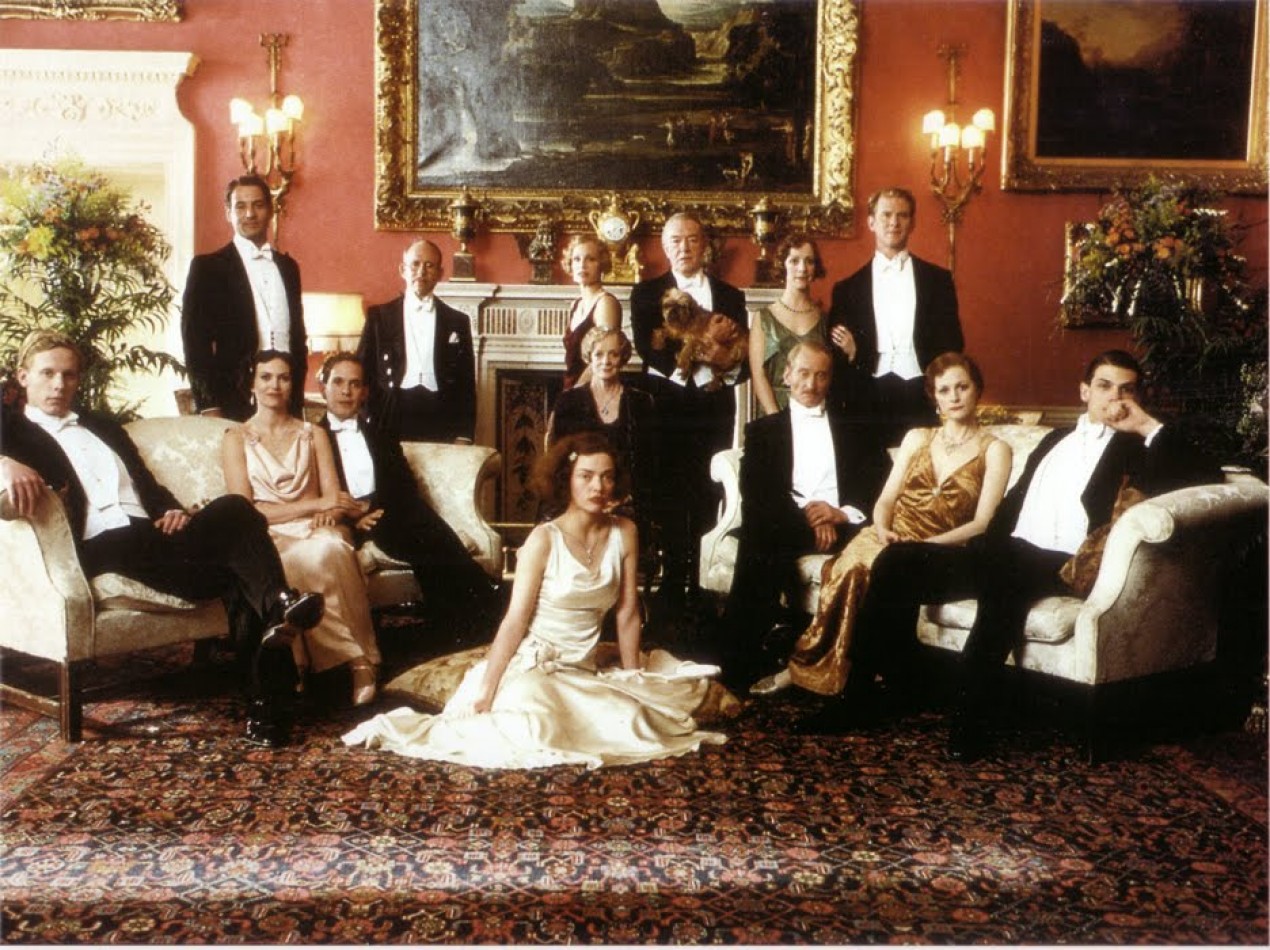
“Gosford Park,” 2001: A murder mystery set at an English country manor in the 1930s, “Gosford” is a wickedly clever prototype to “Downtown Abbey,” dripping with juicy upstairs-downstairs intrigue. Directed by Robert Altman and penned by “Downton” writer-creator Julian Fellowes, the comedy-drama will seem awfully familiar to fans of the series, right down to the presence of the deliciously snarky Dame Maggie Smith.

“The Remains of the Day,” 1993: One of the highlights of “Downton” is the lively interaction between set-in-his-ways head butler Carson (Jim Carter) and unflappable housekeeper Mrs. Hughes (Phyllis Logan). Based on the novel by Kazuo Ishiguro, this exquisitely tense Merchant Ivory drama depicts a similar, albeit more torturous, relationship between a loyal-to-a-fault butler (Anthony Hopkins) and frustrated housekeeper (Emma Thompson) working side by side at the estate of a Nazi sympathizer.

“The Age of Innocence,” 1993: If you’re fascinated by the elaborate etiquette and strict ritual observed by the residents of Downton, you’ll be mesmerized by the opulent dinners, painstakingly choreographed balls and rigid social statutes sumptuously observed, down to the tiniest detail, by director Martin Scorsese. Though it’s set in turn-of-the-century New York, the film’s characters, including Daniel Day-Lewis’ stifled gentleman and Michelle Pfeiffer’s scandal-ridden countess, could be distant relatives of the Crawley family.

“The Young Victoria,” 2009: “Wild” director Jean-Marc Vallee’s romantic portrait of a passionate, young Queen Victoria (Emily Blunt) and her courtship with her beloved Prince Albert (Rupert Friend) doesn’t have a lot in common with “Downton.” It does, however, feature one of the best screenplays penned by Fellowes, whose gift for witty repartee and boldly re-creating the manners of the British aristocracy is on full display here. Plus, it showcases a wardrobe full of amazing costumes, just like “Downton.”

“Mrs. Brown,” 1997: While the upstairs-downstairs worlds of Downton Abbey rarely collide, there are a few instances in which class boundaries are blurred — when Lady Mary (Michelle Dockery) takes comfort from old friend Carson, for instance, or underbutler Thomas (Rob James-Collier) involves the unwitting Crawleys in his self-serving schemes. In “Mrs. Brown,” class lines are crossed to an entertaining extreme when the grieving Queen Victoria (Judi Dench) gets a little too cozy with a member of her household staff (Billy Connolly) at Scotland’s Balmoral Castle. “Downton”-like drama ensues.

maxresdefault

“Brideshead Revisited,” 2008: SPOILER ALERT! A certain future suitor to Lady Mary stars in this 2008 remake of the beloved 1981 miniseries. Just as “Downton” is preoccupied with the precariously poised aristocracy in the waning days of the British empire, so this adaptation of the Evelyn Waugh novel vividly depicts a seductive but endangered way of life, just before World War II. The doomed friendship between Charles Ryder (Matthew Goode), his Oxford friend Sebastian (Ben Wishaw), and Sebastian’s sister Julia (Hayley Atwell) shares common ground with the repressed relationships of “Downton.”

“The Great Gatsby,” 2013: One of the best things about this season of “Downton” is the 1920s setting with jazz music on the radio, back-alley speakeasies, a certain much-raved-about haircut and, of course, the clothes. All those smart, little hats, beads and glittering flapper gowns are to die for! Prolong your Roaring ’20s fix, courtesy of director Baz Luhrmann’s highly caffeinated version of the F. Scott Fitzgerald classic, starring Leonardo DiCaprio as Gatsby and Cary Mulligan as object of his obsession Daisy.

“A Room With a View,” 1985: The 1920s are certainly lively, but perhaps you find yourself missing the stately early days of Downton and the more dignified Edwardian period. Revisit that era with this Merchant Ivory drama, starring Helena Bonham Carter as a heroine very much like Lady Mary, torn between propriety and passion. As a bonus, our own Lady Violet (Maggie Smith) pops up as Carter’s chaperone on an eye-opening trip to Italy.

“The Servant,” 1963: Conniving Thomas has got nothing on the butler at the center of this bizarre black-and-white drama. When a London bachelor (James Fox) hires help in the form of the sinister Barrett (Dirk Bogarde), the tables are turned as servant exploits master.

“Albert Nobbs,” 2011: Glenn Close received an Oscar nomination for her gender-bending role in this drama about the staff of a posh hotel in 19th-century Dublin. Her convincing turn as a woman who poses as a man in order to work as a butler received a lot of attention. Just as compelling, however, is the film’s use of gender confusion to explore how members of the working class suppressed their identities in service to the ruling class.

Photos: http://www.pbs.org, http://www.focusfeatures.com, http://www.youtube.com


This Weekend, See ‘Sniper,’ Skip ‘Blackhat’

My fellow moviegoers, is there anything more depressing than the fourth weekend in January when Hollywood inflicts its questionable choices upon us in a three-day period we’ll spend the rest of the year trying to forget?

Yes, this Friday brings us a disconcerting assortment of future Razzie nominees, including “Mortdecai,” “The Boy Next Door,” “Strange Magic” and “Spare Parts.”

My advice? Forget this weekend ever happened. Or take the opportunity to catch up on films you may have missed.

If you’re brave enough to venture forth on this, the worst moviegoing weekend of the year, I salute you and offer one film to avoid like the plague and another to warmly embrace.

Godspeed, my friends.

blackhat-movie-review-thor-loki

Blackhat
One and a half stars (out of four)
R (violence, language, and apparently the MPAA fell asleep during this movie because there’s a pretty obvious sexual situation, too)
133 minutes

You probably don’t need me to tell you not to bother with “Blackhat,” director Michael Mann’s cyberterrorism thriller.

According to Box Office Mojo, the film earned a paltry $3.8 million over opening weekend, making it the worst showing for Mann since 1986’s “Manhunter.” That’s also the one of the worst debuts of all time for a movie playing in more than 2,500 theaters.

Still, lest you be tempted to give it a shot …

Let’s start with the film’s star, Chris Hemsworth. The strapping, young lead of “Thor” and “The Avengers” is certainly an arresting presence, and 2013’s “Rush” proved he’s more than just a pretty face, capable of radiating cocky intelligence.

But I draw the line at “Blackhat’s” depiction of Hemsworth as Nick Hathaway, a rogue hacker doing hard time in a maximum security prison for past crimes. It’s beyond laughable that a dude who spends his waking hours in front of a computer screen would ever look as smolderingly sexy as Hathaway. It’s also highly unlikely he’d display the range of Jason Bourne-like skills he demonstrates throughout the film, including expertly firing a handgun in an insane shootout and infiltrating the site of a nuclear meltdown.

Sadly, the blatant miscasting of Hemsworth and the increasingly ridiculous situations he finds himself in are just two of the movie’s flaws. The film gets off to an excruciatingly slow start and its stakes are too vaguely defined for us to care much whether Hathaway succeeds in stopping a presumed cyberterrorist before he strikes again, creating international havoc.

Mann spends too much time on a completely unconvincing romance between Hathaway and the sister (Wei Tang) of a Chinese security expert (Leehom Wang) who happens to be the hacker’s former roommate. Meanwhile, more interesting characters languish in the background, like Viola Davis’ tenacious FBI agent.

As is his trademark, the director crafts several brutally kinetic action sequences, but on a visual level, “Blackhat” doesn’t rise to the gritty style befitting the helmer of “Collateral” and “Heat.” The movie is a letdown in almost every way possible.

AmericanSniper

American Sniper
Three stars (out of four)
R (strong and disturbing war violence, sexual references)
132 minutes

You probably don’t need me to tell you to see “American Sniper,” Clint Eastwood’s biopic of Navy Seal and deadliest-sniper-in-history Chris Kyle.

The drama struck a chord with moviegoers nationwide, topping last weekend’s box office with a record-breaking $89.5 million. When I went to see it Monday, the house was packed, the audience remained in their seats through most of the end credits and a respectful hush fell over the crowd when they left the theater. Such a reverent response is a rare thing to witness at the local cineplex.

Perhaps the movie resonates because there have been few heroes celebrated in more than a decade of murky Middle Eastern wars. Eastwood’s take on Kyle’s life, deeds and philosophy has stirred controversy but the film is surprisingly complex, a celebration of heroism, yes, but one that acknowledges the shattered minds and bodies war leaves in its wake.

At the heart of the film’s success is a modest, truly magnificent performance by Bradley Cooper, portraying Kyle as a man of simple but strong convictions, a walking contradiction — a warrior ruthless and tender. Eastwood’s very first shot of Cooper isn’t subtle — he’s wearing a white cowboy hat — but it firmly establishes the character, a proud Texan who views the good and evil in this world in stark black and white.

There have been complaints that “American Sniper” glorifies an “unrepentant killer,” but Cooper has never been softer or more vulnerable than he is here, even as his burlier, hairier appearance makes him physically imposing in a way that’s startling. With his slick, shark-like charm, the actor isn’t known for disappearing into a role, but he does this time, powerfully channeling Kyle’s anguish at the disconnect between deployment and domesticity. This is by far the best performance in the career of an actor who has just begun to find his way, judging by his recent turns in “Silver Linings Playbook” and “American Hustle.”

Some critics have faulted the film, and Eastwood, for declining to make a political statement about America’s messy involvement in Iraq and Afghanistan, but perhaps they’re missing the point. The director has always been adept at painting gripping portraits of men of violence. In “Sniper,” he delivers a series of graphic, suspenseful missions — some fictionalized — with considerable grit and technical prowess.

More compellingly, he engages in an unexpectedly bold and sensitive discussion of topics that remain largely out of sight and out of mind — things like PTSD and the suffering and neglect of wounded vets.

Is “American Sniper” a perfect film? No, but it is an important one.

Photos: wqyk.com, zdnet.com

Those Golden Globe Jokes About George Were Hilarious, But Let’s Remember, He’s a Damn Fine Actor

Once again, the funniest joke of Sunday’s Golden Globe ceremony targeted Hollywood golden boy — or is that good, old boy? — George Clooney.

Mentioning the actor’s soon-to-be-awarded Lifetime Achievement honor, hosts Tina Fey and Amy Poehler hilariously referenced Clooney’s wife, Amal Alamuddin.

“Amal is a human rights lawyer who worked on the Enron case, was an advisor to Kofi Annan regarding Syria, and was elected to a three-person U.N. commission investigating rules of war violations in the Gaza Strip. So tonight, her husband is getting a lifetime achievement award.”

As you may recall, Alamuddin’s hubby was also the butt of a priceless gag last year by Fey and Poehler, who described the movie “Gravity” as “the story of how George Clooney would rather float away into space and die than spend one more minute with a woman his own age.”

As one of Hollywood’s biggest, most beloved stars and, until recently, a confirmed bachelor with a taste for younger women, George is an easy target. Despite the fact that he’s celebrated as a humanitarian, perhaps his save-the-world credentials aren’t as impressive as his spouse’s.

But watching all those film clips during the Globes lifetime achievement presentation reminded me what a formidable actor he is — one who turned a hunky stint on “ER” into a remarkable, versatile, risk-taking career.

Equally adept at comedy, caper films and classy dramas, this is a guy who has made good choices about the movies he’s appeared in, with a few exceptions, of course. (Can he ever be forgiven for “Batman & Robin”? I don’t know. And honestly, “Monuments Men” wasn’t that bad, despite everyone’s constant ribbing about it.)

In recognition of George’s stellar career, here are 10 of his most memorable film roles.

Feel free to share your favorite Clooney classics.

George-Clooney-in-Out-of-Sight-george-clooney-23757867-1280-720

1. “Out of Sight,” 1998: Clooney’s famous charm is on full display as a smooth criminal in this underrated but slick Elmore Leonard adaptation. The actor shares an unlikely yet smoking hot chemistry with Jennifer Lopez as a U.S. Marshal who can’t resist him.

2. “Three Kings,” 1999: As a jaded Special Forces soldier in director David O. Russell’s satire of the Persian Gulf War, the actor indulges his passion for politics while showcasing his talent for irreverent humor.

3. “O, Brother, Where Art Thou?,” 2000: Dim-witted isn’t a quality you’d typically associate with Clooney, but the actor succeeds brilliantly in portraying a scheming prison escapee who isn’t as bright as he thinks he is in the Coen Brothers’ absurd take on “The Odyssey.”

4. “Ocean’s Eleven,” 2001: Clooney’s penchant for playing suave con artists — not to mention his generous leadership of ensemble casts — reaches its apex with the role of casino-swindling ringleader Danny Ocean in this playful remake.

5. “Good Night, and Good Luck,” 2005: After a rocky start to his directorial career with 2002’s “Confessions of a Dangerous Mind,” Clooney forges a place for himself, and partner Grant Heslov, behind the camera with this biopic of First Amendment champion Edward R. Murrow (David Straitharn). He reserves the memorable role of CBS president Fred Friendly for himself.

mclayph

6. “Michael Clayton,” 2007: Clooney may have won his first Oscar for his supporting role in 2005’s “Syriana,” but he should have taken home the trophy for this wrenching drama about a law firm fixer suffering from moral qualms. The film’s final shot, one long, unbroken take focusing on the actor’s face, reveals his gift for subtle expressiveness.

7. “Up in the Air,” 2009: In the role of a seasoned traveler who makes an unsavory living by firing people, Clooney’s sometimes smarmy smile proves an invaluable asset. As his romance with a fellow frequent flyer (Vera Farmiga) melts his character’s heart, George quietly succeeds in breaking ours.

8. “Fantastic Mr. Fox,” 2009: Unlike a lot of A-list actors, Clooney has mostly steered clear of voiceover work, but he made an exception for Wes Anderson’s stop-motion animal fable. He’s perfectly cast as a rapscallion of a carnivore/family man who moonlights as a chicken thief.

9. “The American,” 2010: Director Anton Corbijn’s thriller about a tormented assassin on the lamb in Italy didn’t receive a lot of attention, probably because of its extremely slow pace. But the film contains one of Clooney’s most internal and intriguing roles. In a film with little dialogue, the actor’s face almost solely communicates everything we need to know.

10. “The Descendants,” 2011: Clooney took home a much deserved second Oscar for perhaps his most unattractive role to date in Alexander Payne’s exquisitely awkward tragicomedy. Playing a clueless, cuckolded, grieving husband whose idyllic Hawaiian life is shattered by a family tragedy, the actor delivers one of his deepest performances and one of his best scenes — a heart-rending goodbye speech to his character’s comatose wife.

vlcsnap_2012_11_20_15h13m52s121_large

Photos: watchesinmovies.info, popcornreel.com, yts.re, http://www.fanpop.com.


Let’s Celebrate ‘Boyhood’s’ Big Win

I don’t know why I was surprised when “Boyhood” swept up three of the top prizes at last night’s Golden Globe awards.

The uniquely made coming-of-age story emerged victorious with the best motion picture trophy for drama, the best director laurel and a supporting actress win for Patricia Arquette.

I think perhaps I was expecting something more weighty or topical to take the best drama trophy, like “Selma” or “The Theory of Everything.” But I probably should have seen “Boyhood’s” triumph coming.

After all, was there a more human, irresistible, hopeful, bittersweet film released in 2014 than Richard Linklater’s rumination on a decade of existence? It’s not the least bit shocking that the movie so effortlessly captured the affections of critics and viewers alike.

I don’t know whether “Boyhood” will fare as well at next month’s Oscars — the Academy Award nominations are set to be announced Thursday — but despite my love for “Birdman” and “The Grand Budapest Hotel,” I wish Linklater and company all the luck in the world.

In the meantime, I’m reposting my original review of the film below, in honor of “Boyhood’s” big night at the Golden Globes.

Boyhood
Three and a half stars (out of four)
R (language, including sexual references, teen drug and alcohol use)
165 minutes

For many Americans, the last 10 years or so have passed in a blur. So many things have changed in our post-9/11 world that it’s impossible to process it all. That’s why Richard Linklater’s coming-of-age tale, “Boyhood,” is so remarkable. In spanning the childhood of Mason, a kid from Texas who is at once ordinary and extraordinary, the film functions as a vivid time capsule of the past decade.

Watching “Boyhood” sent me flashing back to my wedding in 2003, when I walked down the aisle to the sounds of Coldplay’s incomparable “Yellow.” It made me remember the magic of holding a new copy of J.K. Rowling’s latest Harry Potter book in my hands. It brought back the hope I felt, however short-lived, when Barack Obama was elected president.

It made me realize that my own daughter will be grown in the blink of an eye, every minute of her life miraculous. When Patricia Arquette’s character despairs, toward the end of the film, exclaiming, “I thought there would be more,” I knew exactly what she meant.

Your reaction to “Boyhood” is likely to be different but it will be no less personal. You don’t have to be a boy, a Texan, or a parent to be deeply impacted by this languid, lovely rumination on childhood, memory, family and the small but glorious moments that make a life. Watching the movie is a surreal and amazing experience.

Linklater’s obsession with aging and time previously manifested itself in the “Before” trilogy, which charted the on-again, off-again romance of vagabond lovers Celine (Julie Delpy) and Jesse (Ethan Hawke) over the course of 18 years. The trilogy’s first installment, “Before Sunrise,” brims with youthful romance, while the latest chapter, 2013’s “Before Midnight,” is older, wiser and more painful to watch. It won’t exactly come as a surprise if Linklater should choose to reunite Delpy and Hawke for another rendezvous, say, 15 years from now.

“Boyhood” is an even more ambitious project. Linklater filmed it over 12 years, gathering his cast annually for a few days of shooting. The movie’s magnetic star, Ellar Coltrane, was just 6 when production began. He was 18 when it finally wrapped, so the audience is treated to the rare and strange experience of watching this young man grow up on camera, while the adult actors age right along with him. It’s an approach that resounds with authenticity, throwing into stark relief the sentimental artifice of virtually every coming-of-age movie that has come before.

“Boyhood” is the story of Mason, who we first see as a scruffy but thoughtful kindergartener, circa 2002. Mason lives with his struggling single mother (Arquette), who has terrible taste in men but is fiercely protective of her children, and older sister Samantha (Linklater’s daughter, Lorelei), who annoys him by singing Britney Spears songs.

Mason and Samantha find themselves uprooted when mom moves the family to Houston so she can attend college. The migration leads to a reconnection with the kids’ absentee dad, who could very well be Hawke’s slacker musician from “Reality Bites,” 10 years in the future. To his ex-wife’s chagrin, the father attempts to forge a relationship with his children over bowling and drives in his awesome car.

As with the “Before” trilogy, there’s no conventional Hollywood structure to “Boyhood.” The film takes a meandering approach, checking in with Mason each year and not necessarily at the most dramatic points in his childhood — a poignant reminder that it’s not always the major milestones that shape us, but a collection of small events.

Linklater traces Mason’s path to adulthood, from traumatic haircuts to family squabbles, bullying in the school bathroom to camping trips with dad. We watch Mason do what most kids do — play video games, shirk his homework, take an interest in the opposite sex — and it’s fascinating.

In a gradual and incredible cinematic alchemy, the dreamy, shaggy-haired boy who asks his father with utmost gravity whether elves exist transforms before our eyes into a cynical, skinny, quietly charming teenager with a passion for photography, a first girlfriend, a first job, college plans and lots of questions about the meaning of it all.

As a road map to the various stops along Mason’s journey, Linklater brilliantly uses pop songs of the decade and subtle references to changing technology, politics and pop culture. We know roughly when and where we are because Arcade Fire is playing on the radio, or there is a conversation about the Iraq War, or someone is watching a Lady Gaga video. Since the movie was filmed in the moment, there are no flashy attempts at retro costuming or art design. It feels real.

The film’s intensely naturalistic tone mimics the unpolished rhythms of improvisation. It’s actually painstakingly scripted, drawing from the filmmaker’s Texas boyhood. The movie’s sprawling scope is casual but electric, although it runs on for too long, clocking in at almost three hours. I suppose if I spent the last 12 years shooting a film, I’d be reluctant to whittle it down, too.

In casting Coltrane, Linklater hit the jackpot. How could he know this young actor would remain such a marvel over 18 years of growth, even through the awkward stages? And Hawke is so winning as a flawed father who nevertheless loves his children and really tries, in contrast to the string of alcoholic stepdads Mason’s mom brings home. Here’s hoping he never has to squander his talents on another “Sinister” or “The Purge.”

“Boyhood” celebrates parents, no matter how imperfect, and the way they protect and nurture their children, and acknowledges the many people — siblings, teachers, bosses, family friends — who influence who we become. It’s one of the few films that provides a clear-eyed view of 21st century families and its view of that tarnished but still sacred institution is sweetly hopeful.

The Top Five Films of 2014 (And the Not-So-Top Ones)

After the mad dash of the holidays, we stumble into January determined to take stock of the year that was and sweep aside the old in preparation for the new.

2015 brings with it an exciting new batch of movies, but before we welcome such heady stuff as “Avengers: Age of Ultron” and “Star Wars: Episode VII — The Force Awakens,” it’s time to look back on the best of 2014.

My Top 10 list falls a little short this year. I could only come up with five really exceptional films. But there are many other cinematic highlights to discuss, along with a bonus list — the 10 Most Overrated Films of 2014.

Happy New Year.

6b645d371eb721d3d6fce488842d673a

The Top Five Films of 2014 (in no particular order)

1. “Birdman”: Like a wild, unpredictable improvisational jazz piece (an idea referenced in the film’s inventive musical score), Alejandro Gonzalez Inarritu’s show-biz satire exhilarates and astonishes. Seemingly shot in one seamless, kinetic take, the movie is unlike anything we’ve seen before. An excellent cast lays bare a humiliating array of ego trips and insecurities, most notably Michael Keaton and Edward Norton in performances that are self-deprecating and spell-binding. Fame has never been so fickle, so funny or so heartbreaking.

2. “Boyhood”: Watching 2014’s most languid and lovely drama is like thumbing through a decade’s worth of scrapbooks of one lad’s ordinary, extraordinary life. Writer-director Richard Linklater filmed the movie over a period of 12 years, resulting in a fictional time capsule of youth that never feels fabricated. As the boy in Linklater’s ‘hood, Ellar Coltrane is at once average and remarkable, bolstered by the poignant presence of Patricia Arquette and Ethan Hawke as his flawed but well meaning parents. Whether you’re 15 or 50, this movie sparks reflections of formative moments in your own life.

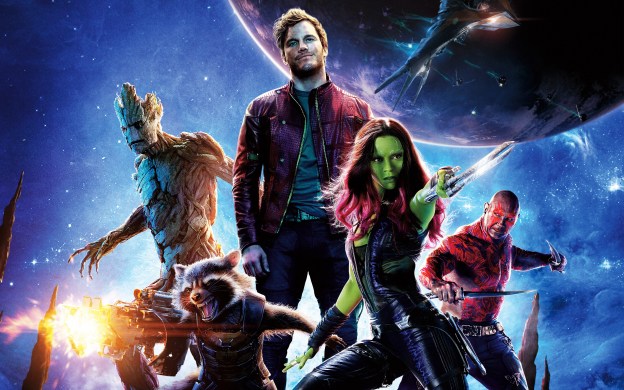
3. “Guardians of the Galaxy”: The year’s most undeniably entertaining movie was shockingly absent from many critics’ Top 10 lists. Come on, guys! Don’t pretend you didn’t love this wacky space romp, which expertly culled its irresistibly fun ideas from such timeless classics as “Star Wars” and “Indiana Jones.” In introducing us to its strangest band of misfit superheroes yet, Marvel shamelessly pandered to ’80s nostalgia and got us all hooked on a feeling. Chris Pratt’s roguishly charming Star-Lord, Zoe Saldana’s butt-kicking Gamora, Dave Bautista’s hilariously literal Drax and the lovable duo of Rocket (Bradley Cooper) and Groot (Vin Diesel) are part of cinema history now, and rightly so.

4. “The Grand Budapest Hotel”: I thought I was over Wes Anderson. The director’s rococo affectations were beginning to feel increasingly empty to me. But then came “The Grand Budapest Hotel,” detailing the quirkiest of adventures shared by concierge extraordinaire Monsieur Gustave (Fiennes) and his trusty lobby boy, Zero (Tony Revolori). Anderson’s fantastical fairy tale of international intrigue contains one surprising and delightful cameo after another, but it’s really a showcase for the improbable comedic talents of Fiennes, whose portrayal of the unflappable  Gustave is unexpectedly bittersweet. Anderson has always been a filmmaker to be reckoned with. This is undoubtedly his masterpiece.

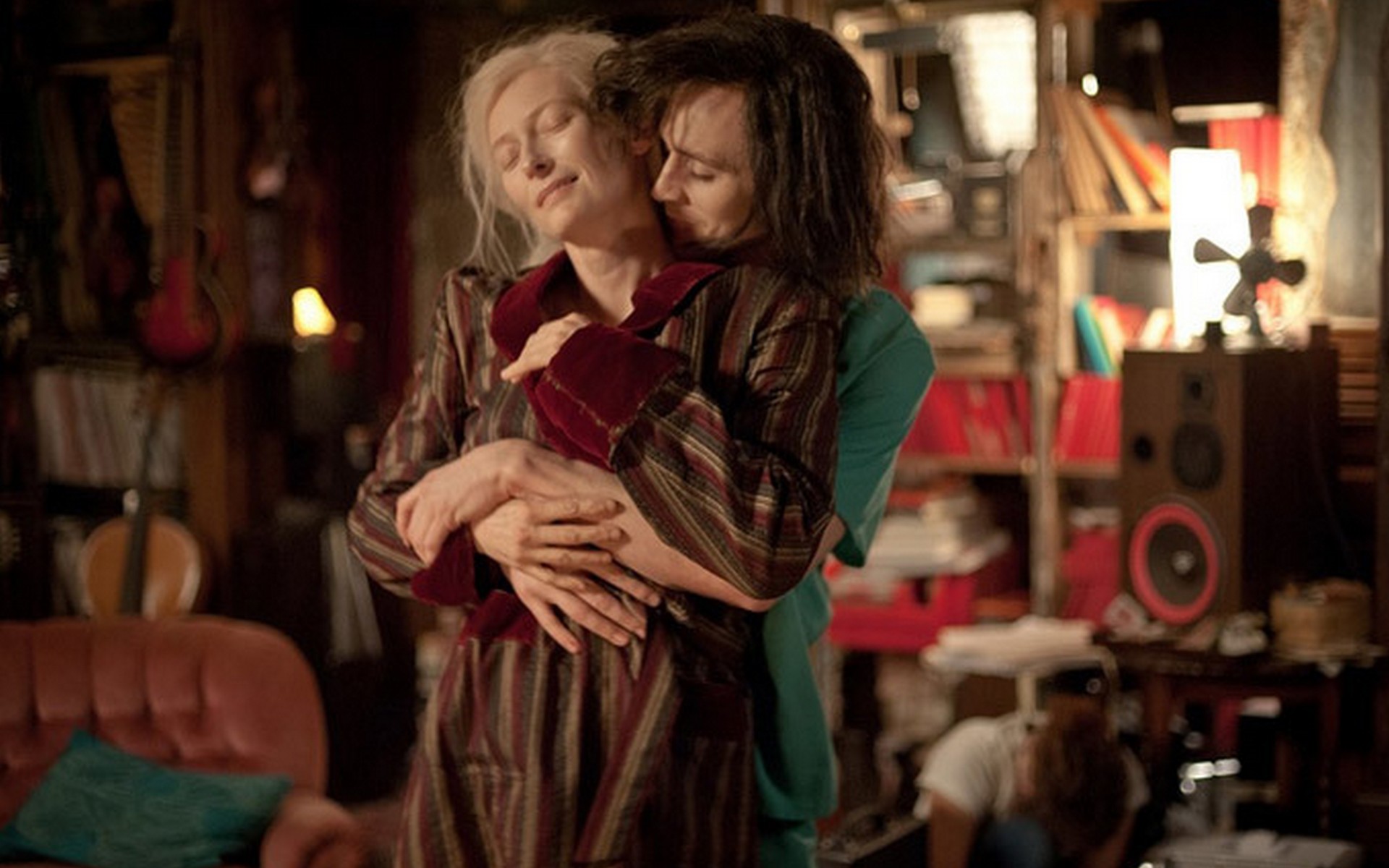
5. “Only Lovers Left Alive”: There are movies you like, and then there are movies you fall for, truly, madly, deeply. In 2014, that film for me was writer-director Jim Jarmusch’s effortlessly cool, exquisitely romantic vampire drama. As sleek and sexy as midnight velvet and dripping with playful pop cultural, literary and musical references, “Lovers” depicts the reunion of insomniac soulmates who aren’t your average bloodsuckers. Tom Hiddleston plays angsty Adam as a brooding old-school rock ‘n’ roller from Detroit. Tilda Swinton’s Eve is his exotic, more adventurous paramour, who hangs out in Tangier with none other than Christopher Marlowe (John Hurt). This film really has to be seen to be believed. I want to sink my teeth into it again and again.

fnd_mc_nightcrawler

Honorable Mentions

“Gone Girl”: Gillian Flynn’s poisonous page turner is demented, disturbing and oh-so-much wicked fun in director David Fincher’s darkly funny big-screen treatment. You’ll never look at Ben Affleck, Rosamund Pike, Neil Patrick Harris and the rest of the film’s fine cast quite the same way again.

“Nightcrawler”: Jake Gyllenhaal’s greasy, greedy, hypnotic turn as a ravenous coyote prowling L.A.’s seedy nightscapes in search of anything that bleeds is the highlight of writer-director Dan Gilroy’s pointed media satire.

“X-Men: Days of Future Past”: Building on the firm foundation laid by 2011’s “X-Men: First Class,” this sequel unites multiple generations of our favorite mutants — including Hugh Jackman’s Wolverine, Jennifer Lawrence’s Raven and a double dose of Magneto and Professor X — in a twisty brain-teaser that effectively erases the franchise’s loathed third installment and paves the way for exciting installments to come.

“Edge of Tomorrow”: “Groundhog Day” meets “Alien” in a surprisingly clever post-apocalyptic sci-fi flick, which nobody saw because they were tired of watching Tom Cruise in post-apocalyptic sci-fi flicks. Cruise is billed as the star but Emily Blunt steals the movie out from under him as a tough-as-nails warrior, nickname the Full Metal Bitch.

“Captain America: The Winter Soldier”: Marvel’s ever popular comic book movie franchise finally grew up with a thriller that boasts slick action and a satisfyingly adult script.

“Snowpiercer”: The year’s most original, intriguing and just plain weird sci-fi thriller depicts a violent, stylish, totally bizarro class war aboard a train designed to traverse an ice-bound post-apocalyptic globe. You probably loved it and hated it simultaneously.

Grammy90_18_03 (1)

Memorable Performances

The ever charming Shailene Woodley wormed her way a little deeper into our hearts in “The Fault in Our Stars” and “Divergent.”

Angelina Jolie was deliciously nasty as the misunderstood anti-heroine of Disney’s “Sleeping Beauty” reboot, “Maleficent.”

Tom Hardy did nothing but sit behind the wheel of a car and talk on the phone but was somehow spellbinding in “Locke.”

No one portrays eccentric geniuses quite like Benedict Cumberbatch, who dazzled as a socially awkward code breaker in “The Imitation Game.”

interstellar5

The 10 Most Overrated Films of 2014 (in no particular order)

1. and 2. “The Hobbit: The Battle of the Five Armies” and “The Hunger Games: Mockingjay — Part 1” weren’t terrible but they were both seriously out of balance, proving the point that splitting book adaptations into too many parts may be financially savvy but cheats the audience out of a tightly crafted story.

3. “Magic in the Moonlight”: Woody Allen’s latest whimsical comedy features gorgeous French locales and yummy 1920s costumes but it’s an epic bore that teases us with the promise of supernatural intrigue, then delivers a lot of tedious talk instead.

4. “Begin Again”: Writer-director John Carney’s follow-up to the captivating “Once” is disappointing simply because there’s nothing genuine about it, from the forgettable music to the precious, pretentious performances of Mark Ruffalo and Keira Knightley.

5. “Chef”: Many moviegoers were charmed by this sleeper comedy, but I failed to fall under its spell, mainly because I can only watch Jon Favreau drive around in a food truck for so long.

6. “Godzilla”: After last year’s underrated but totally awesome “Pacific Rim,” this monster mash-up promised super-sized thrills. The film’s scaly star was largely absent, however, making this Kaiju smash-fest a giant disappointment.

7. “Under the Skin”: Critics inexplicably went ga-ga for director Jonathan Glazer’s interminably dull indie drama, which consists of a morose, otherworldly Scarlett Johansson trolling the streets of Glasgow for unsuspecting perverts.

8. “The Lego Movie”: I’m not going to deny this animated flick featuring everyone’s favorite building blocks is fun, playful and clever to a point. Seriously, though, how old are we, America’s collective moviegoing audience? 12?

9. “Interstellar”: Christopher Nolan’s sci-fi opus is stunning in many ways and I was one of the critics who highly recommended it. Two months later, though, I have to admit this technically impressive but flawed film was easier to forget than I expected.

10. “The Interview”: Sony Pictures and the nation’s major movie chains never should have caved to the cyberterrorist threats that kept this North Korea-bashing comedy out of theaters. I just wish Seth Rogen and James Franco’s goofy riff on totalitarianism actually had something to say. Then it might be worth all the fuss.